How to Relieve Plantar Fasciitis: 5 Steps

November 9, 2026

Plantar fasciitis is inflammation and irritation of the thick band of tissue supporting your foot’s arch. To relieve plantar fasciitis, reduce aggravating activity, wear supportive shoes, stretch your calves and feet, use ice, and seek podiatric care if pain persists or limits normal walking.

Supportive shoes and plantar fascia stretching

What causes plantar fasciitis and heel pain?

The plantar fascia is a strong band of tissue running from your heel bone to the base of your toes. It helps support your arch and absorb impact when you stand, walk, or run. Repeated strain can create small areas of irritation, leading to plantar fasciitis.

Common contributors include:

  • Increasing walking, running, or exercise too quickly
  • Spending long hours standing on hard surfaces
  • Wearing unsupportive, worn-out, or flexible shoes
  • Tight calf muscles or limited ankle motion
  • Flat feet, high arches, or changes in foot mechanics
  • Higher body weight, which increases pressure on the heel

The classic symptom is sharp heel pain with the first steps after waking up or after sitting. The discomfort may improve temporarily as you move, then return after prolonged standing or activity. Although plantar fasciitis is common, other conditions can cause heel pain too. An accurate diagnosis matters when symptoms are severe, unusual, or persistent.

How can you relieve plantar fasciitis at home?

Most mild cases improve with consistent, conservative care. Instead of relying on one quick fix, combine several habits for a few weeks. The goal is to calm irritation while improving flexibility and support.

1. Stretch your calf and plantar fascia

Tight calves can increase tension through the heel and arch. Stretch gently, without bouncing or forcing painful motion.

Try these options:

  • Wall calf stretch: Place both hands on a wall, step one foot back, keep the back heel down, and lean forward. Hold for 20–30 seconds and repeat two or three times per side.
  • Towel stretch: Sit with your leg extended, loop a towel around the ball of your foot, and gently pull the toes toward you. Hold for 20–30 seconds.
  • Plantar fascia stretch: Before standing in the morning, cross one leg over the other and gently pull the toes back until you feel a mild stretch through the arch.

Perform stretches regularly, especially before your first steps in the morning and after long periods of sitting.

2. Choose supportive footwear

Avoid walking barefoot on hard floors, flip-flops without support, and shoes with flattened cushioning. Choose footwear with a stable sole, comfortable cushioning, and support that matches your foot shape.

Replace athletic shoes when the tread or cushioning is worn. If over-the-counter inserts do not help, a podiatrist can evaluate whether custom orthotics may improve alignment and pressure distribution.

3. Use ice after activity

Apply a cold pack wrapped in a thin towel to the sore heel for 15–20 minutes after activity. You can also gently roll the bottom of your foot over a chilled water bottle. Stop if your skin becomes numb, painful, or unusually pale.

4. Temporarily modify high-impact activity

You do not necessarily need complete rest. Reduce running, jumping, hills, and activities that clearly increase pain. Consider low-impact alternatives such as cycling, swimming, or an elliptical machine while symptoms settle.

Return to higher-impact exercise gradually. A sudden return to your previous routine can restart the irritation.

When should you see a podiatrist for heel pain?

Schedule an evaluation if heel pain lasts more than a few weeks despite home care, repeatedly returns, or interferes with work, sleep, exercise, or ordinary walking. You should also seek professional guidance when pain is worsening rather than improving.

Contact a healthcare professional promptly if you have:

  • Sudden, severe pain after an injury
  • Significant swelling, bruising, redness, or warmth
  • Numbness, burning, or weakness
  • Inability to bear weight
  • An open wound or signs of infection
  • Diabetes, poor circulation, or a weakened immune system

At Gaston Foot & Ankle Specialists, a podiatric evaluation may include a physical examination, gait assessment, and review of your activity, footwear, and medical history. Imaging may be recommended when a fracture, nerve problem, arthritis, or another cause is suspected.

For more information about common causes and treatment options, explore Plantar Fasciitis & Heel Pain .

Podiatrist evaluating a patient’s foot and heel

Which treatments can help persistent plantar fasciitis?

When symptoms do not improve with basic measures, treatment is tailored to the cause, severity, and duration of your pain. Options may include:

  • Structured stretching and strengthening exercises
  • Physical therapy to improve calf flexibility and foot mechanics
  • Temporary activity modification or protective support
  • Orthotics or shoe inserts for pressure and alignment concerns
  • Night splints for selected patients with severe morning pain
  • Medication guidance when appropriate for your health history
  • Additional procedures when conservative treatment has not worked

Treatment should address more than the painful spot. Weakness, limited ankle motion, footwear, work demands, training errors, and foot structure may all contribute. Your provider can help create a plan that fits your lifestyle rather than recommending a one-size-fits-all solution.

Can orthotics help plantar fasciitis?

Orthotics may help some people by supporting the arch, reducing strain, and redistributing pressure under the heel. They are not automatically necessary for every case. The best option depends on your foot structure, symptoms, activity level, and shoe type.

An evaluation is especially useful if pain returns whenever you resume normal activity, if you have flat feet or unusually high arches, or if you have tried several pairs of inserts without relief. Learn more about related foot mechanics on the Flat Feet & Fallen Arches page.

How long does plantar fasciitis take to heal?

Recovery varies. Some people improve within several weeks with consistent stretching, supportive footwear, and activity changes. Others need several months of guided treatment, particularly when symptoms have been present for a long time or when contributing factors remain unaddressed.

Improvement is usually gradual rather than immediate. Track practical changes, such as less pain with first steps, longer comfortable walks, and fewer flare-ups after activity. Do not judge progress only by whether the heel feels perfect after a few days.

Avoid increasing exercise simply because pain has temporarily eased. Build activity back in stages, and continue supportive habits after symptoms improve to reduce the chance of recurrence.

Common mistakes that make heel pain worse

Several understandable habits can prolong irritation:

  • Continuing high-impact exercise through sharp pain
  • Going barefoot on hard floors for long periods
  • Wearing old shoes because they still look usable
  • Stretching aggressively or bouncing into pain
  • Changing multiple treatments every few days
  • Ignoring recurring symptoms until walking becomes difficult

Consistency is more useful than intensity. Choose a manageable routine and follow it long enough to evaluate whether it is helping. If the plan is not working, professional assessment can prevent months of trial and error.

Frequently asked questions

Is plantar fasciitis worse in the morning?

Often, yes. Pain commonly feels strongest with the first steps after sleeping because the plantar fascia tightens while the foot is at rest. Gentle stretching before standing and supportive footwear beside the bed may make those first steps more comfortable.

Should I walk on plantar fasciitis?

Gentle walking may be appropriate if it does not significantly increase pain. Avoid pushing through sharp or escalating symptoms. Reduce distance, choose supportive shoes, and switch temporarily to lower-impact exercise when necessary.

Is heat or ice better for plantar fasciitis?

Ice is commonly useful after activity because it can soothe soreness. Gentle warmth may help some people loosen stiff muscles before stretching. Protect your skin and stop either approach if it causes discomfort or skin changes.

Can plantar fasciitis go away without treatment?

Some mild cases improve with rest, footwear changes, and stretching. However, persistent or recurring heel pain deserves evaluation because it may have another cause or require a more targeted plan.

Is heel pain always plantar fasciitis?

No. Heel pain can also result from a stress fracture, tendon problem, nerve irritation, arthritis, bursitis, or another condition. Severe, sudden, numb, swollen, or persistent pain should be assessed by a qualified healthcare professional.

Your next step for lasting relief

To relieve plantar fasciitis, start with supportive shoes, gentle daily stretching, ice after aggravating activity, and a temporary reduction in high-impact exercise. Give those changes consistent time rather than expecting an overnight cure. If pain persists, returns frequently, or affects normal movement, schedule a podiatric evaluation to confirm the diagnosis and identify contributing factors. Gaston Foot & Ankle Specialists can help you compare treatment options and build a practical plan for comfortable walking and long-term mobility. Explore New Patients or Contact to take the next step.

Comfortable walking outdoors after plantar fasciitis care
Protective footwear on a sunny beach during summer.
June 18, 2026
Learn essential summer foot safety tips to prevent injuries, fungal infections, and sun damage. Expert podiatric advice for healthy feet during warm weather.

By VIV Builder • April 9, 2026
Stay active and pain-free this Foot Health Awareness Month. Learn about heel pain, orthotics, diabetic foot care, and sports injury treatment options.

By VIV Builder • April 1, 2026
Achilles tendonitis can develop gradually, causing heel pain and stiffness that worsens over time. Learn the warning signs and how a podiatrist can help you get back on your feet.
By VIV Builder • March 5, 2026
Ingrown toenails are a common foot condition that can start as a minor irritation and quickly become painful. Learn more about how we can help with ingrown toenails.
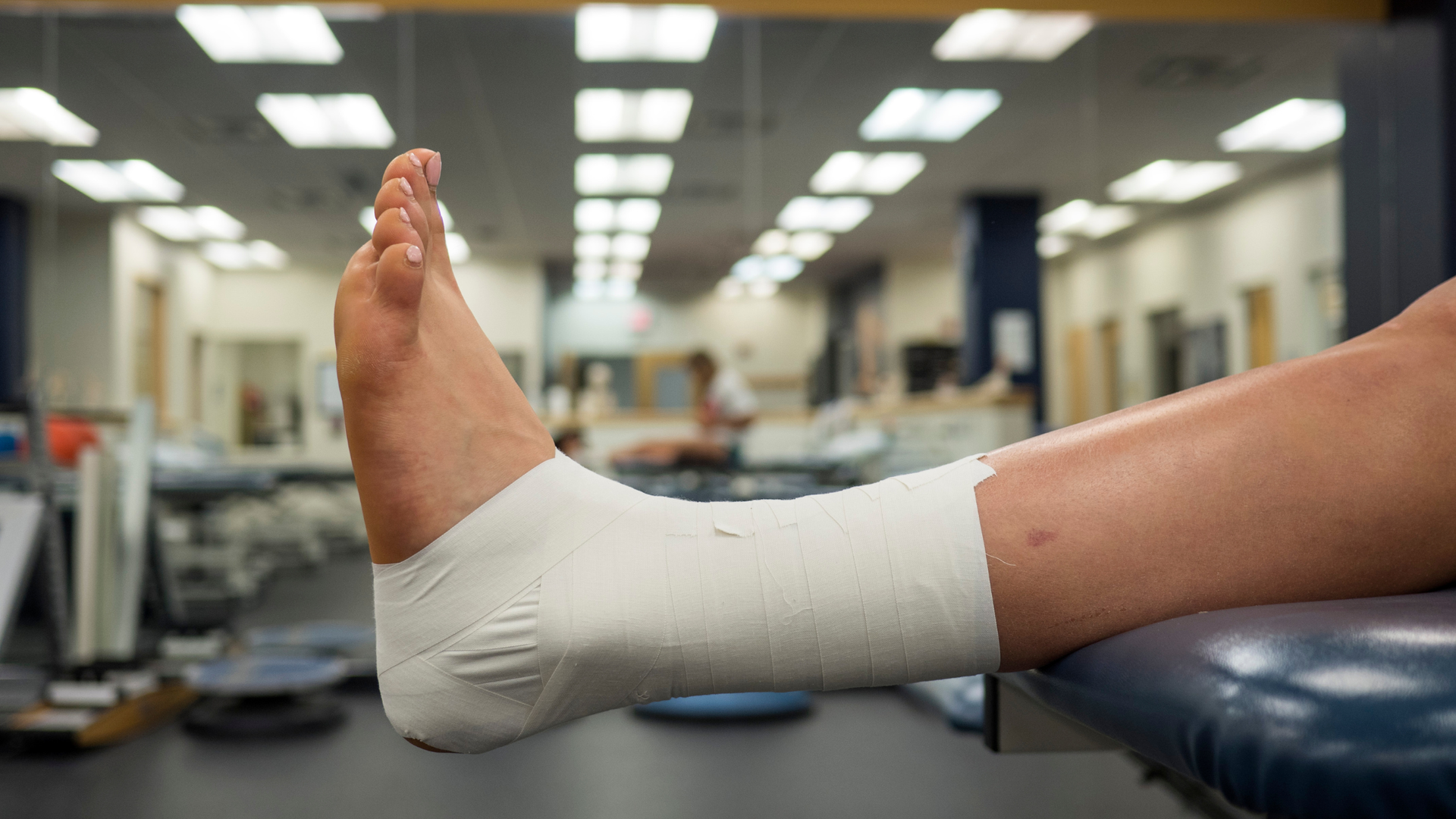
By VIV Builder • February 19, 2026
Ankle sprains are one of the most common foot and ankle injuries, yet they're often brushed off as no big deal. The truth is, even a mild sprain deserves proper care.
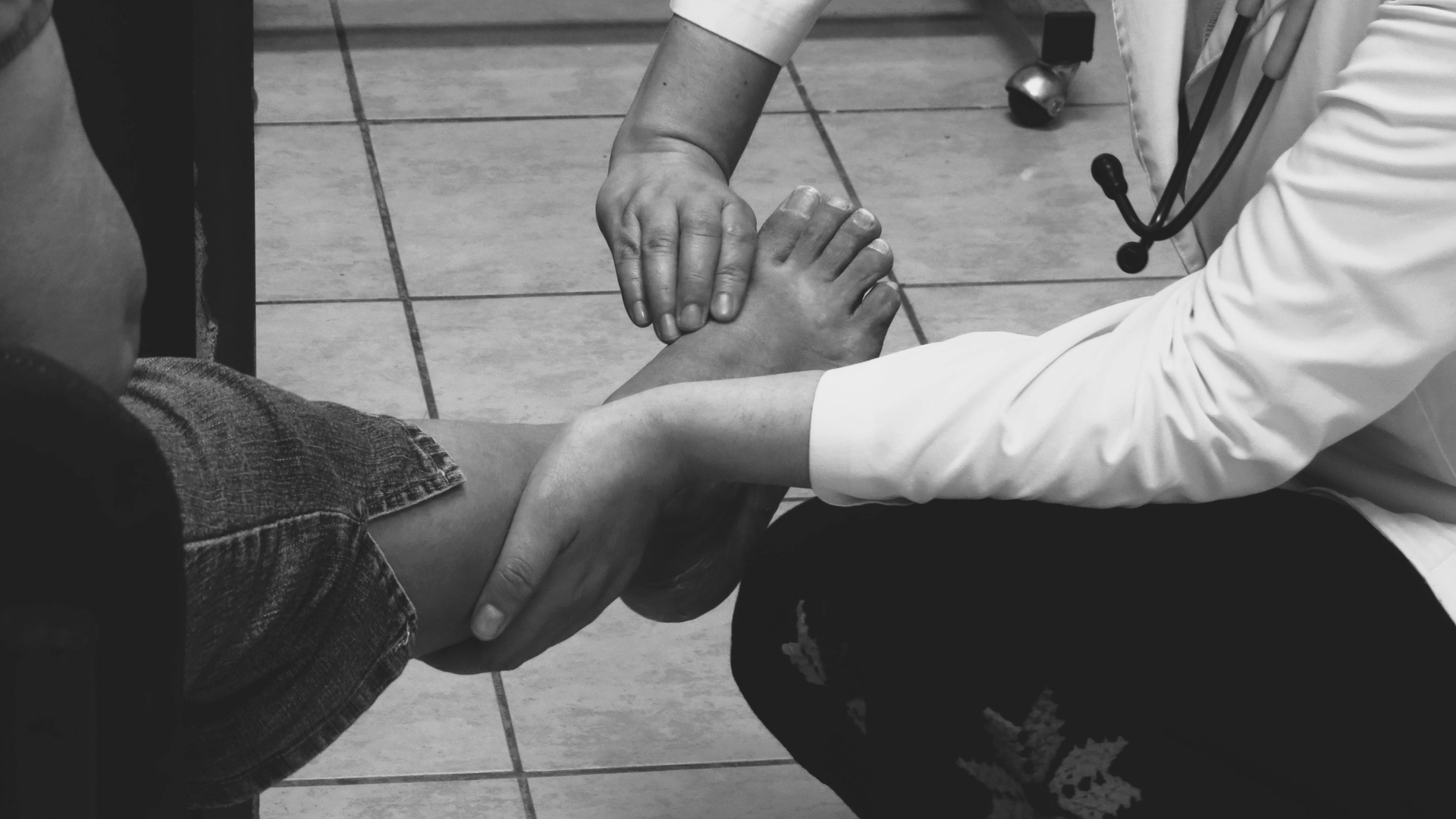
By VIV Builder • February 5, 2026
Show Your Feet Some Love This February

By VIV Builder • January 23, 2026
Understanding Podiatry Many people experience foot or ankle pain at some point, but they are not always sure where to turn for care. A podiatrist is a medical doctor who specializes in diagnosing and treating conditions of the foot and ankle. Their goal is to help patients move comfortably, stay active, and avoid pain that interferes with daily life. Podiatrists receive specialized medical training focused entirely on the feet and ankles. Because these areas support the entire body, even minor issues can have a big impact if left untreated. What Conditions Do Podiatrists Treat? Podiatrists treat a wide range of foot and ankle conditions for patients of all ages. From common concerns like heel pain and ingrown toenails to more complex issues such as sports injuries and diabetic foot conditions, podiatrists are trained to handle both routine and advanced care. They also address structural problems, skin and nail conditions, and injuries that affect mobility. By identifying the root cause of foot or ankle pain, podiatrists help patients find long-term relief rather than temporary fixes. When Should You See a Podiatrist? Foot pain is not something you have to live with. If you notice ongoing discomfort, changes in how you walk, or issues with your toenails or skin, it may be time to see a podiatrist. Early care can help prevent small problems from becoming more serious and can reduce recovery time. Patients with diabetes should also see a podiatrist regularly to help prevent complications and maintain foot health. What to Expect During Your Visit During a podiatry appointment, your provider will take time to understand your symptoms and lifestyle. They will examine your feet and ankles and may recommend imaging or other tests if needed. Based on their findings, they will create a personalized treatment plan tailored to your needs. Many podiatry treatments can be done in the office, allowing patients to return to normal activities quickly. Why Foot Health Matters Your feet play a major role in your overall health. Ongoing foot or ankle pain can lead to posture changes and strain on the knees, hips, and lower back. Proper foot care helps keep your entire body moving the way it should. Seeing a podiatrist is an important step in maintaining mobility and preventing future problems. Take the Next Step Toward Better Foot Health If foot or ankle pain is affecting your daily life, a podiatrist can help. With the right care and treatment, many conditions can be managed or resolved. Scheduling an appointment with a podiatrist is a simple step that can make a lasting difference in your comfort and mobility.
By VIV Builder • January 9, 2026
A New Year Shouldn’t Start With Pain The beginning of a new year often comes with fresh goals—being more active, feeling healthier, and getting back to routines you enjoy. But heel pain can quickly get in the way. When every step hurts, even small tasks can feel frustrating. Heel pain is one of the most common foot issues treated by podiatrists. Many people try to ignore it or hope it will go away on its own, but without proper care, heel pain often lingers or gets worse over time. Why Heel Pain Happens Heel pain can develop for several reasons, and it often builds gradually. One of the most common causes is plantar fasciitis, which occurs when the tissue supporting the arch of the foot becomes inflamed. Other causes may include strain on the Achilles tendon, wearing shoes without proper support, or spending long hours on your feet. Pain is often most noticeable in the morning or after long periods of rest. While it may ease as you move around, it tends to return and can worsen without treatment. Common Conditions Linked to Heel Pain While heel pain feels similar for many people, the underlying cause can vary. Some of the most common conditions include: Plantar fasciitis Heel spurs Achilles tendon irritation Overuse or repetitive strain injuries Identifying the exact cause is key to getting the right treatment and long-term relief. Why Early Treatment Matters Ignoring heel pain can lead to changes in the way you walk. Over time, this can place added stress on your ankles, knees, hips, and lower back. What starts as foot pain can turn into discomfort throughout your body. Seeing a podiatrist early can help prevent these issues and reduce recovery time. Most heel pain can be treated without surgery when addressed promptly. How a Podiatrist Can Help A podiatrist specializes in foot and ankle care and can create a treatment plan tailored to your needs. Treatment may include stretching exercises, custom orthotics, footwear guidance, or other therapies designed to reduce pain and inflammation. With the right approach, many patients begin to feel relief and regain mobility. Step Into the New Year With Confidence Heel pain does not have to define your year. With proper care and treatment, you can move more comfortably and get back to doing the things you enjoy. If heel pain is holding you back, schedule a visit with a podiatrist and take the first step toward a healthier, pain-free new year.
December 18, 2025
A new year is the perfect time to focus on your health—starting from the ground up. As we head into 2026, taking care of your feet can help you stay active, comfortable, and ready for everything the year brings.  Why Foot Health Matters in the New Year Healthy feet support your overall mobility and daily comfort. Common foot problems can make walking, standing, and even simple activities difficult. Early care can prevent small issues from becoming bigger ones. You may benefit from a podiatry visit if you have: Heel or arch pain Flat feet or high arches Foot or ankle injuries Toenail problems Corns, calluses, or skin issues Pain that keeps coming back How We Help You Start the Year Strong Our podiatry team provides: Comprehensive Foot Exams to identify pain or concerns Treatment Plans for chronic or sudden foot issues Custom Orthotics for support and alignment Footwear Guidance to reduce discomfort and improve stability Preventive Care to keep your feet healthy long-term Start 2026 With Healthy, Pain-Free Feet Make this the year you put your foot health first. Schedule an appointment today to address any concerns and step into 2026 with confidence, comfort, and support.
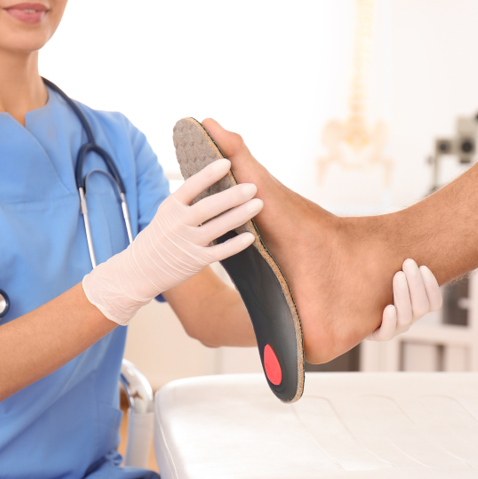
December 4, 2025
November marks National Diabetes Awareness Month , a time dedicated to raising awareness, supporting those affected, and sharing ways to live healthier with diabetes. With diabetes impacting millions of Americans, proactive foot care remains one of the most important—and often overlooked—parts of diabetes management. Why Foot Health Matters Diabetes can affect the feet in several ways, and early prevention is key. High blood sugar levels may lead to: Nerve damage (neuropathy) that causes numbness, tingling, or loss of sensation Reduced blood flow , slowing the healing process Higher risk of infections, wounds, and ulcers , which can become serious if left untreated Healthy, routine foot care can help prevent complications and support mobility, comfort, and long-term wellness. How Our Podiatry Team Supports Diabetic Foot Health We provide comprehensive diabetic foot care to protect, prevent, and treat foot-related concerns, including: Routine Diabetic Foot Exams Early detection and intervention to address concerns before they become more serious. Custom Orthotics Personalized support to improve balance, relieve pressure points, and enhance walking comfort. Advanced Wound Care Specialized treatment plans for wounds, ulcers, or injuries to promote faster healing and reduce risks. Footwear Guidance Recommendations for proper shoes and inserts designed to prevent irritation, friction, and injury. We’re Here to Help You Stay Healthy Caring for your feet is an essential part of staying active, independent, and healthy with diabetes. Whether you have questions about preventive care, footwear, or treatment options, our podiatrists are here to guide and support you every step of the way. This month is a great time to schedule a diabetic foot check or talk with us about ways to keep your feet protected year-round. Together, we can work toward better foot health and a healthier life with diabetes.

Show More